When Your Irrigation System Goes Down, We Already Know What You Need
Most agricultural customers don't call us for a consultation. They call because something that used to work has stopped working, and they need it running again, now.
As Doug Picatti, President of Picatti Brothers, puts it: "Typically, people call us because they have a problem. It might be a submersible pump, a booster system, or another piece of water equipment, but they know something isn't working and they need help.
Our first job is to listen carefully, understand what's happening, ask the right questions, and figure out what they really need. From there, we determine the best solution and help get their water system back up and running."
Most of the time, growers don't actually know what's failed inside the well. That's our job, not theirs. We pull the equipment, find out exactly what's wrong, and get it back in the ground working.
There isn't much difference, in our experience, between a grower with a couple of acres and a large commercial operation. Both call with the same problem: a pump, often in the 25-horsepower range or larger, has gone down and needs to be repaired or replaced.
The size of the operation doesn't change the urgency.
What Our Agricultural Well and Pump Services Include
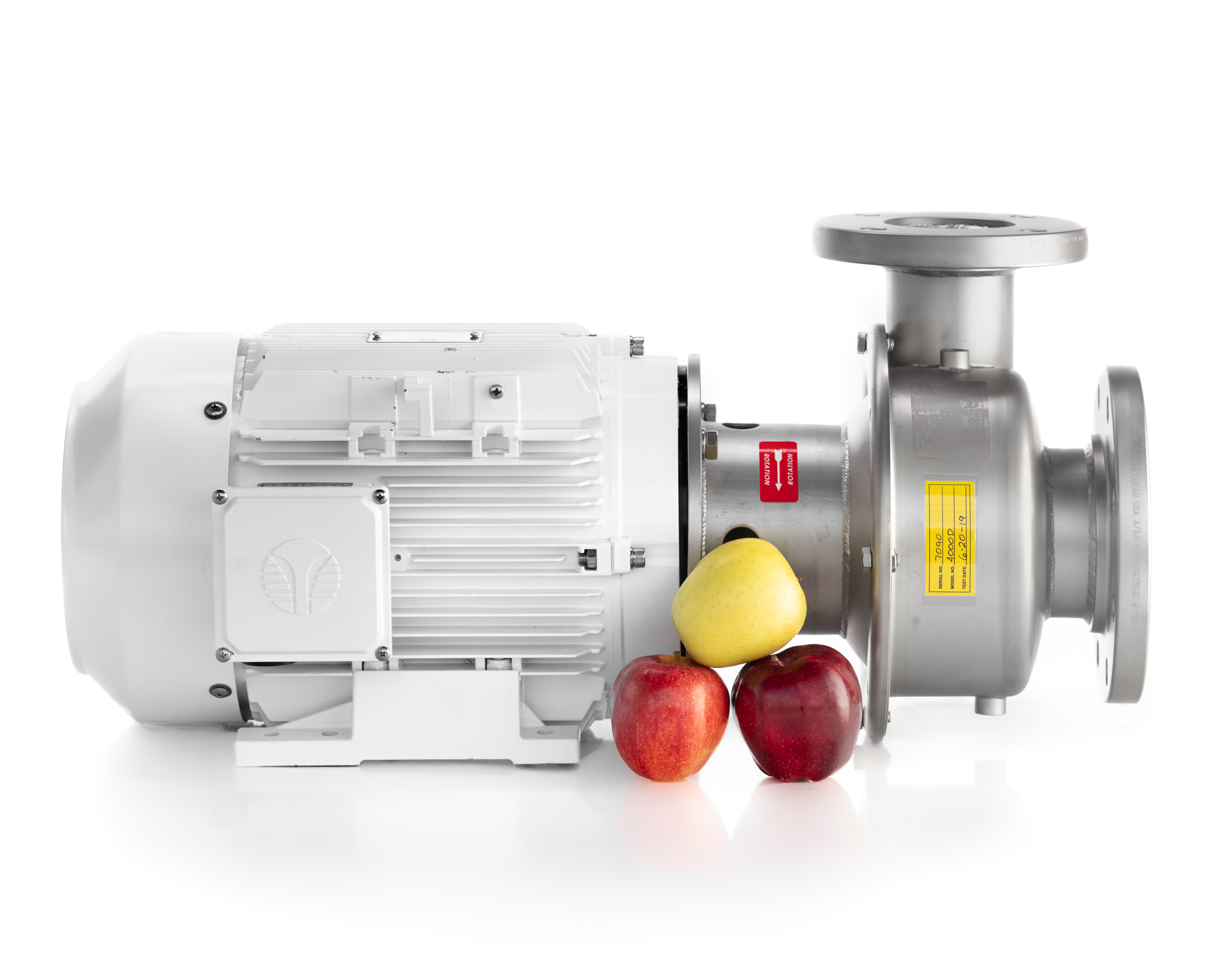
Agricultural work with Picatti Brothers centers on pump and motor repair and replacement, and extends to the full range of services we offer to municipal or residential customers as needed. Most growers already have a working system in place; some do not and we are asked to design something from scratch.
What we do:
- Emergency pump repair and replacement. The most common call. A pump has failed, and a crop is at risk. We identify the problem and get the right equipment back in the ground as fast as availability allows.
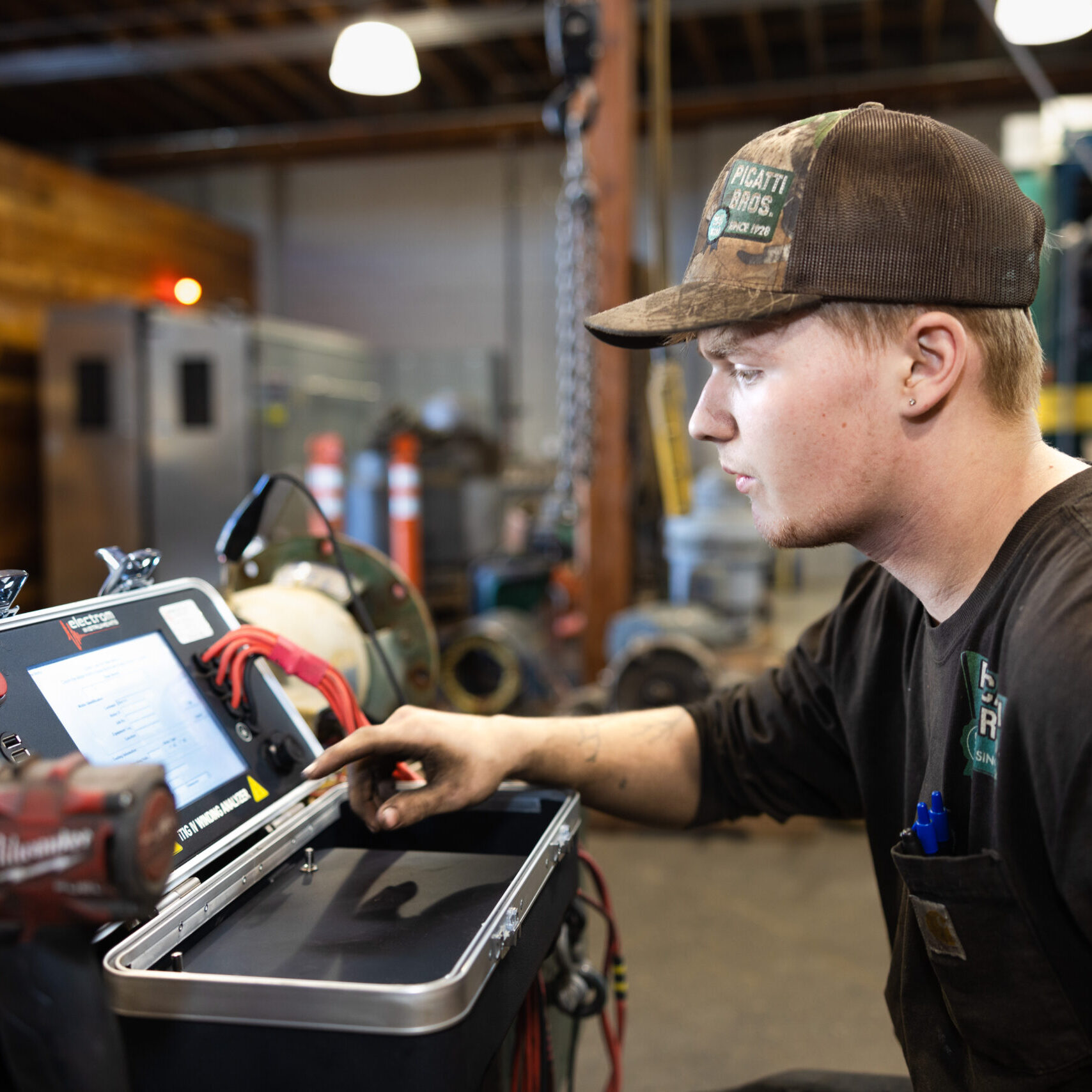
- Motor repair. Motors and pumps are separate components assembled, and either one can fail independently. We diagnose which one needs attention and repair or replace accordingly.
- New installation for expanding operations. When a grower is bringing new acreage into production, they typically already know how much water they need. We size and install a pump to match that production target.
- Repair vs. replace guidance. We don't push new equipment. We give growers real options and real pricing so they can make the call that fits their operation and their budget. Sometimes the older equipment is worth keeping. We'll tell you when that's true.
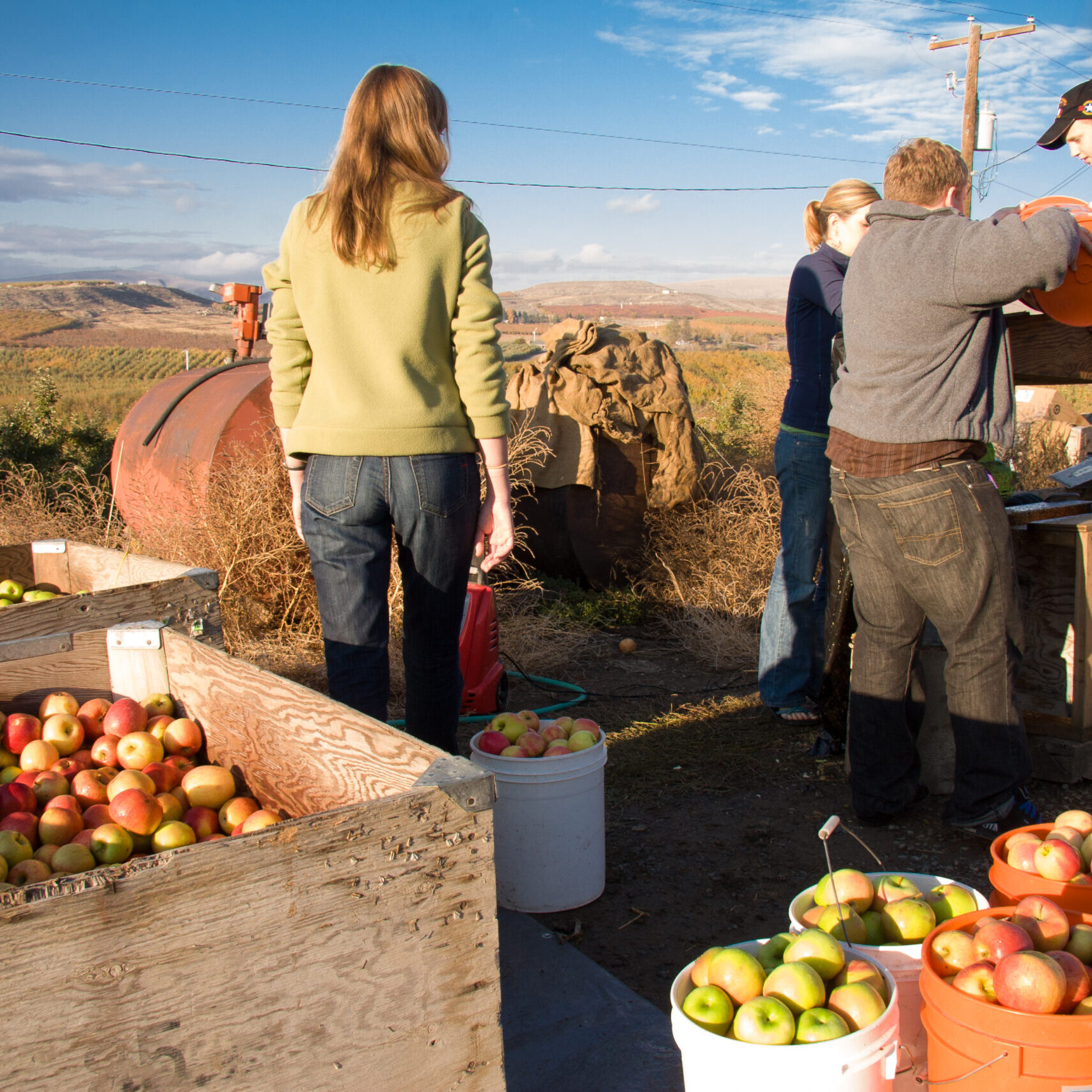
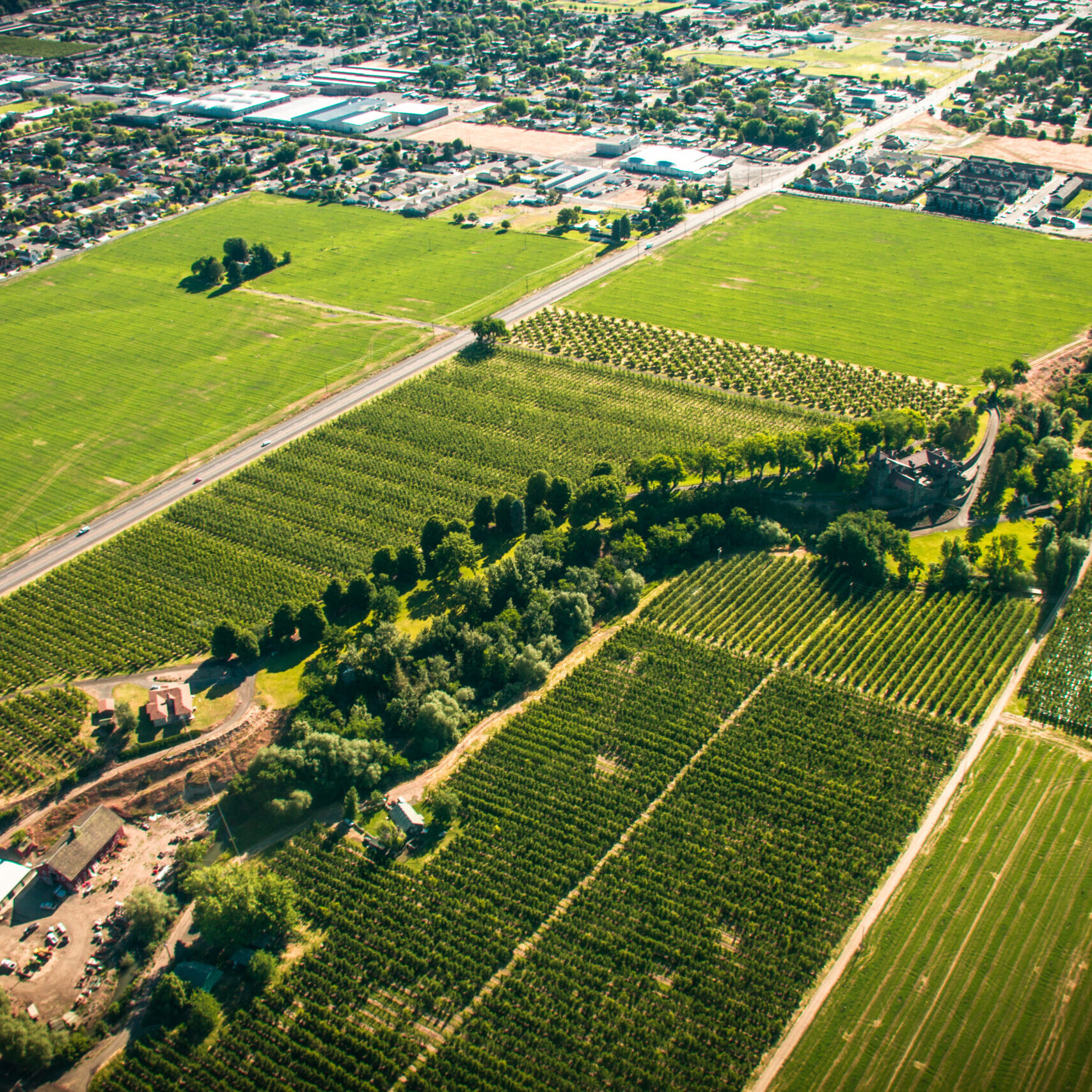
Serving Agriculture Across the Yakima Valley
Picatti Brothers primarily serves growers from Wenatchee down through the Tri-Cities. That's not a limitation, it's a deliberate choice. The equipment agricultural work requires is large, and moving it long distances eats up the time growers don't have to spare. We stay close to where we can respond fast, because in this business, fast is the whole point.
That focus is also what separates us from competitors who serve mostly residential and light commercial customers. Agricultural pump work requires bigger, heavier equipment than a typical well job, and that means specialized cranes that most domestic-focused pump companies simply don't own.
"We handle the big stuff," Doug Picatti says. "That doesn't necessarily mean nobody else has it, but a lot of these other guys doing domestic work have smaller trucks, and it requires a big pump crane. They just don't have the capacity to do it."
Fewer companies can do agricultural pump work correctly, and growers throughout the Yakima Valley know it.
Why Agricultural Work Is the Hardest Work We Do
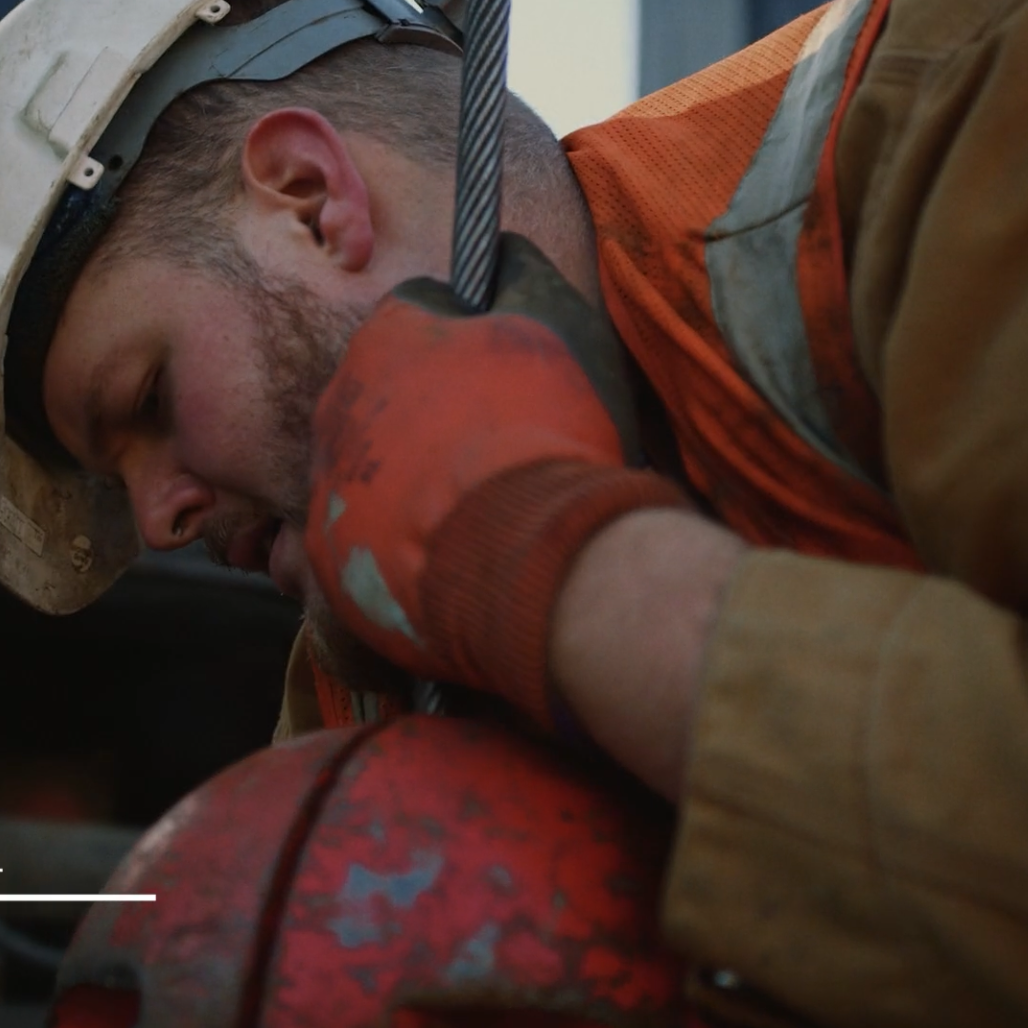
Ask Doug Picatti to compare agricultural work to residential or municipal jobs, and he doesn't hesitate: agriculture is the hardest of all of it. "The equipment is much bigger. The work is significantly harder. It's significantly more difficult to work with. Everything about it is more, bigger and much harder on our team and our equipment, that is why we have the best people and tools."
The pipe alone on a large agricultural well can run over 400 feet of 8-inch column, weighing hundreds of pounds, and it has to come out of the ground in the middle of a 100-degree afternoon before anything else can happen.
That difficulty is exactly why growers need a company built for this kind of work. Getting the right product in hand, fast, is often the hardest part of the job. We have a huge inventory just for this but when a part isn't sitting on our shelves, we track it down, and if we truly can't get the original part in time, we'll find or adapt something that works so a crop doesn't sit without water any longer than it has to.
Why Growers Call Us Before It's an Emergency
Here's the reality of agricultural pump work:
everyone needs it at the same time. When temperatures spike and irrigation demand peaks across the entire Yakima Valley at once, every grower with a struggling system calls within the same few days, and there's only one crew that handles the heaviest jobs. Growers who call at the first sign of trouble get scheduled. Growers who wait until total failure end up competing for the same limited resources as everyone else.
"They have to get a hold of us at the first sign of a problem," Doug Picatti says. "It's that simple, because you're going to be competing for resources." A system that's making noise, running hot, or losing performance is telling you something before it fails completely. Call then, not after.
Worst case scenario for a mid-season failure? A hundred degrees and no water. A single failed season can be devastating enough to threaten a farming operation. That's the weight every agricultural call carries, and it's why we treat every one of them with urgency, even when we're honest with growers about how backed up we are.
What Growers Get Wrong - and What It Costs Them
The single biggest mistake we see is growers hiring a pump company out of desperation. When a system goes down, it's tempting to take whoever answers the phone first or quotes the lowest price. Too often, that means hiring a contractor who isn’t busy for a reason, and the result is more money spent, more downtime, and a job that has to be redone anyway.
"It's normally not about price," Doug Picatti says. "It's whether the people you hire are experts and know what they're doing."
Growers need a partner who will still be around next season, who stands behind their work, and who understands that a failed irrigation system isn't a minor inconvenience. It's a threat to the entire year's crop.
Individual Growers and Irrigation Districts
The vast majority of our agricultural work is with individual growers rather than irrigation districts, though we've done district-level work over the years.
Whether we're working with a single farm or a larger irrigation entity, the same standard applies: know what we're doing, get it done right, and get it done fast.
Frequently Asked Questions About Agricultural Well and Pump Services
Yes. We don't see much difference between a grower with a couple of acres and a large commercial farm. Both call with the same need: a failed pump that has to be repaired or replaced quickly.